Understanding Sleep Environments: How Mattress Materials Impact Comfort and Health
An educational exploration of how core mattress materials shape temperature, support, and overall sleep quality, with practical guidance to decode labels and select configurations that align with your goals.
What you sleep on matters as much as how you sleep. The materials embedded in the core layers of a mattress—whether natural fibers, synthetic foams, or hybrid constructions—play a decisive role in temperature regulation, contouring, and long-term durability. In this piece, we traverse the landscape of bedding materials, drawing from trusted brands such as Savvy Rest, Suite Sleep, and Downtown Company to illuminate how each ingredient contributes to a healthier sleep environment. We’ll also examine common mattress configurations—latex, memory foam, natural fibers—and offer practical tips for pairing toppers and pillows to optimize spinal alignment and reduce pressure points.
A Reading of Materials: What They Do in the Dark
To understand a mattress, you must first understand its parts and the physics of touch, heat, and support. The core materials most often encountered fall into a few broad categories, each with distinct characteristics that influence how a bed feels and performs across seasons and sleep positions.
- Latex and latex blends: Known for resilient contouring, instant responsiveness, and durability. Latex toppers and cores promote air movement, especially when paired with breathable covers. The natural elasticity helps relieve pressure without a “sinking” sensation.
- Memory foam and open-cell foams: Emphasize sinking-in comfort and pressure relief, often with excellent motion isolation. Open-cell foams improve airflow relative to traditional dense foams, but overall breathability varies by formulation and cover design.
- Natural fibers (cotton, wool, latex, kapok): Cotton and wool bring temperature regulation and moisture management; kapok provides lightweight, breathable fill that supports a balanced feel. Natural fibers can offer hypoallergenic properties and a cleaner sleep surface when properly sourced.
- Synthetic fills and blends: Inexpensive, widely available, and often engineered for consistent feel and durability. Breathability and feel depend on the specific blend and construction.
Common Configurations: Pros, Cons, and Suitability
People sleep in different ways, and their bed should respond. Here are some broad profiles to help you align your goals with a configuration, keeping in mind that the best choice is highly personal and often a matter of trial and adjustment.
Latex Core or Topper-Focus
Latex cores and toppers deliver reliable responsiveness and durable support. They tend to sleep cooler due to their open structure and natural breathability. If you sleep hot or share a bed with a restless partner, latex can help maintain a stable surface while allowing air to move through the layers.
Memory Foam and Foam Blends
Memory foam and related open-cell foams excel at contouring and pressure relief, potentially benefitting side sleepers or those with specific pressure points. Breathability varies by formulation; pairing memory foam with a breathable cover and a latex or gel infusion can enhance airflow.
Natural Fibers and Blends
Mattress components built around natural fibers—such as cotton, wool, and kapok—offer moisture management and temperature regulation. They appeal to sleepers seeking a more natural, potentially hypoallergenic sleep surface. Their performance depends on the blend and the quality of the sourcing.
Hybrid Constructions
Hybrid mattresses combine a foam or latex core with a pocketed coil system or layered foam to balance contouring with lift. They can maximize airflow, enhancing cooling while maintaining support across a range of body types and sleep positions.
Pairing Toppers and Pillows: Enhancing Alignment and Comfort
The environment of sleep is more than the mattress alone. Toppers, pillows, and covers interlock with the core materials to shape the overall feel and temperature profile. Consider the following combinations as starting points for a more personalized sleep sanctuary.
- Latex core + latex topper + breathable pillow covers can sustain a balanced, responsive surface with excellent airflow.
- Memory foam core + open-cell topper + cooling cover can improve temperature management while preserving contouring support.
- Natural fiber toppers (wool or kapok) over a latex core provide warmth regulation and a soft, cushioned feel without sacrificing responsiveness.
- Allergy-conscious sleepers may benefit from silk, cotton, or eucalyptus-based pillow covers and protector layers that maintain breathability and reduce irritation.
Interpreting Labels: A Practical Guide to Reading Mattress Materials
Labels on mattresses and toppers can be informative yet dense. The following framework helps demystify what you read on tags, packaging, and product pages.
- Core material: Look for the primary material listed first (e.g., latex, memory foam, polyurethane foam, or natural fibers). This defines the bed’s essential feel.
- Layer composition: Check how many layers exist and the function of each (support, transition, comfort). Multi-layer builds often balance contouring with lift.
- Breathability: Seek terms like “open-cell,” “airflow,” “knit cover,” and natural fibers that signal better temperature control.
- Certifications: Certifications such as GOTS, OEKO-TEX, or other third-party validations help signal textile safety and environmental considerations.
- Care instructions: Machine-washable covers, removable toppers, and care cycles indicate how easily you can maintain a clean sleep surface.
A Glimpse Through Time: Three Key Figures in Sleep and Material Science
To understand the evolution of sleep environments, we invite three figures—a triad spanning different eras—whose ideas and discoveries illuminate how far bedding science has come.
1) Florence Nightingale (1820–1910)
A pioneer of modern hospital design and sanitation, Nightingale’s emphasis on environmental factors in health laid early groundwork for the care of sleep environments. Her insistence on clean air, regulated temperature, and hygienic surroundings resonates with today’s focus on clean, breathable bedding surfaces and a stable, healthy microclimate for rest.
2) Peter strategic early sleep science: Hans Selye (1907–1982)
Though renowned for stress research, Selye’s work on physiological adaptation underscored how the body responds to environmental conditions. This principle echoes in sleep science: the bedding environment is not merely a backdrop but a dynamic context shaping physiological recovery and circadian alignment.
3) Modern sleep science pioneer: Dr. Matthew Walker (b. 1978)
Author of engaging, evidence-based explorations of sleep, Walker represents contemporary scholarship translating complex sleep research into accessible guidance. His work helps anchor articles in reliable research while maintaining a human-centered tone for readers seeking practical improvements in sleep quality.
Product Spotlight: York Mattress Pad as a Case Study
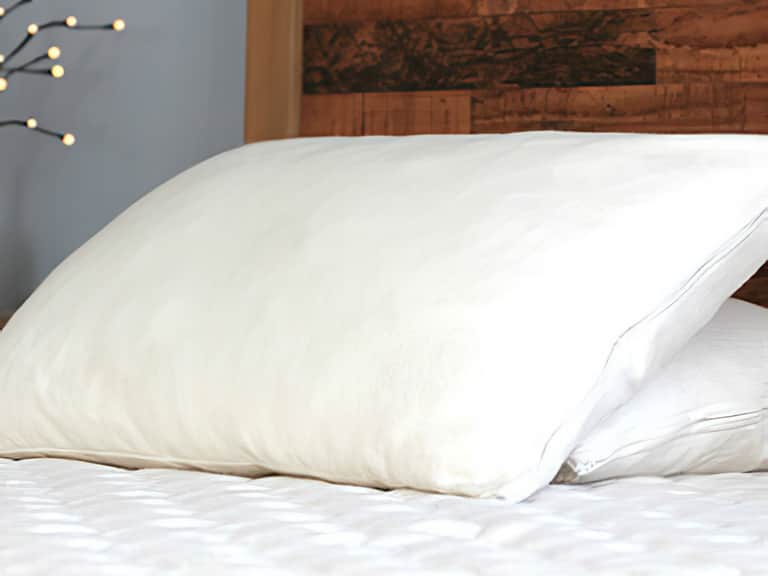
The York Mattress Pad embodies a refined approach to elevating sleep surfaces through a high-loft, down-alternative fill encased in a 300-thread-count cotton sateen shell. While the York pad is marketed to deliver luxurious loft and a soft, breathable surface, it also serves as a useful example for our educational journey: the interplay between fill material, shell fabric, and care instructions determines durability, loft stability, and user experience over time.
Care guidance emphasizes gentle washing and avoidance of aggressive agitation, showcasing how maintenance interacts with a long-term comfort profile. In the broader context of mattress materials, a well-chosen topper such as York can complement a core material—whether latex, natural fiber, or foam—by shaping surface feel and thermal behavior without dictating the entire sleep experience.

Note: The York product is shown here as an illustrative example of how toppers influence surface feel and temperature. For readers seeking deeper education, consider how topper materials—cotton sateen shells, down alternatives, and loft levels—interact with core materials to shape overall sleep comfort.
Building a Sleep Environment: A Practical Framework
To translate theory into a tangible, actionable plan, follow this framework when assembling or reassessing a sleep environment.
- Define your goal: Do you seek cooling, maximum contouring, or a balance of both? Your aim should guide core material choice and topper strategy.
- Assess climate and seasonality: If you live in a warm climate or experience hot nights, prioritize breathable covers and open-cell foams or latex layers to promote airflow.
- Probe sleeping position and pressure points: Side sleepers often benefit from enhanced pressure relief in hips and shoulders, while back sleepers may prioritize spinal alignment support.
- Plan for maintenance: Removable covers, washable toppers, and allergy-conscious materials contribute to a longer, cleaner sleep surface.
- Ground learning in research: Use plain-language summaries of sleep studies to clarify myths and distinguish correlation from causation in sleep-related claims.
Conclusion: A Non-Promotional Path to Sleep Education
Understanding the language of mattress materials is a journey through science, design, and daily living. By focusing on evidence-based content and practical guidance, a site like kitterymattress.com can illuminate how sleep environments influence comfort and health without turning to persuasion or product endorsement. The aim is to empower readers to read labels with discernment, compare configurations with clarity, and assemble environments that support restorative sleep across an ever-changing life schedule.
As the field of sleep science evolves, the core principle remains constant: wakeful, rested living begins in the quiet hours when the body repairs, resets, and recalibrates. The materials beneath us—soft, breathable, resilient—are not merely textures but active participants in the nightly ritual of healing. By embracing a curated, educational approach, readers can cultivate sleep environments that honor both science and the simple human need to rest well.