Mattress toppers provide an additional comfort layer and can influence support, temperature regulation, and overall sleep quality. A topper for bedding can adapt a mattress surface to changing preferences or needs, such as contouring for pressure relief or adding a firmer feel for better alignment. Understanding material types helps in selecting appropriate sleep surfaces and enhancing long-term durability.
Common materials for mattress toppers include memory foam, latex, and natural fiber blends, each offering distinct benefits. Memory foam conforms to body shape, improving spinal alignment, while latex provides responsive support and improved breathability. Natural fibers, such as wool or cotton blends, can enhance temperature regulation and moisture management during rest.
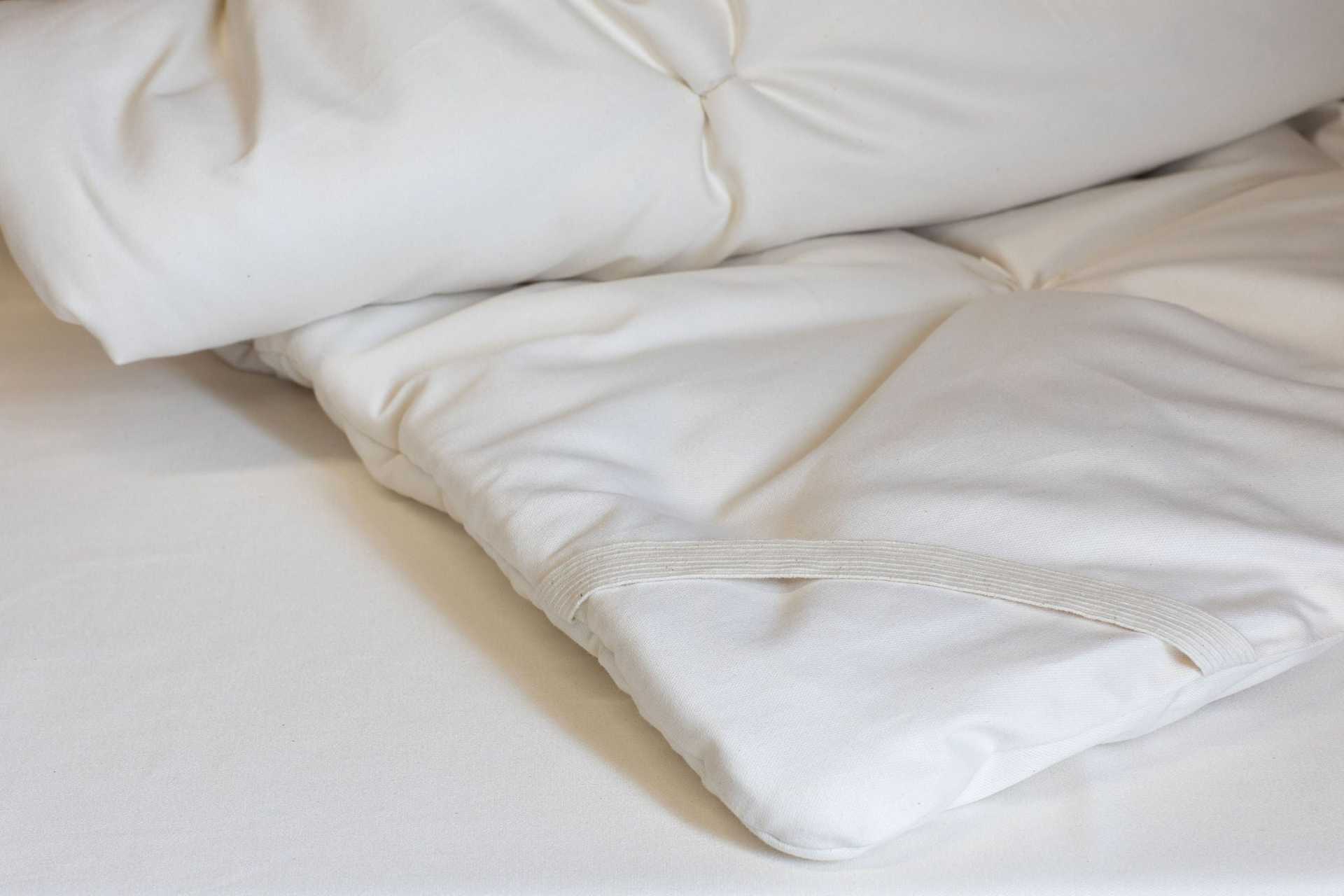
In the context of crib bedding, a Natural Child's Crib Mattress Topper emphasizes safety, comfort, and portability. These toppers are designed to fit standard crib dimensions, minimize gaps, and reduce pressure points for infants. Materials are selected to balance softness with essential support, supporting healthy sleep posture during early development.
Key features to consider include thickness, density, and removable, washable covers. A topper with a breathable cover aids in temperature control, while a washable layer simplifies hygienic maintenance. For families using organic or natural materials, choosing toppers with low VOCs and certified organic content aligns with broader bedding goals, including organic crib mattresses.
Functional benefits of a mattress topper center on extended mattress life, improved comfort symmetry, and tailored support across sleeping positions. When selecting within bedding contexts, consider compatibility with existing mattresses, ease of care, and the specific needs of young children or adults seeking enhanced pressure relief and posture support for a restful night.
 Bedding