Platform bed frames are designed to provide a low-profile, solid foundation that supports varied mattress types while maintaining a clean, modern aesthetic. This category emphasizes sturdy materials, slatted or solid center support, and proper ventilation to extend mattress life and comfort. Understanding frame height, under-bed clearance, and headboard options helps match function with bedroom layout and style.
When evaluating platform beds, key features include material robustness (solid wood or metal), stability of the frame, and ease of assembly. Look for reinforced joints, center legs for load distribution, and compatible headboard attachments. Proper support minimizes mattress sagging and enhances sleep quality, especially for memory foam or hybrid mattresses that require consistent surface tension.
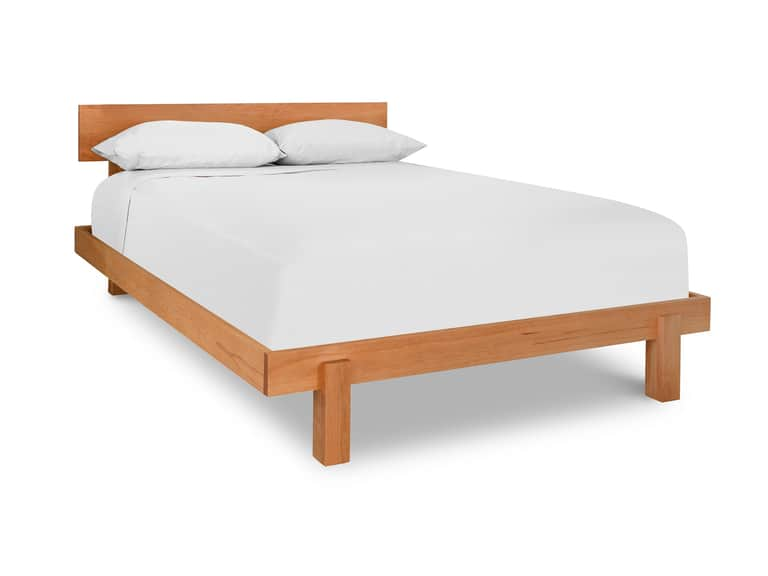
Within the Kipling Bed and related models, users can expect thoughtfully engineered designs that balance form and function. These frames often incorporate slat systems or solid support panels, ensuring even weight distribution and enhanced air circulation under the mattress. The result is improved durability and a quiet, steady foundation for nightly rest.
Important usability considerations include bed height relative to existing bedroom furniture, the accessibility of under-bed storage options, and compatibility with standard bed linens such as fitted sheets and box springs where applicable. Platform beds typically support streamlined silhouettes, reducing visual clutter while preserving ample under-bed space for airflow and maintenance.
Informed selection within this category benefits from understanding how features like adjustable headboards, integrated rails, and moisture-resistant finishes contribute to long-term comfort and versatility. For bedding setups, knowledge of frame specifications complements choices in pillows, sheets, and organic mattresses, including organic crib mattresses for family-friendly configurations.
 Furniture